Sustainable Solutions: How E-Waste Recycling Services Are Saving Our Planet
E-waste represents a considerable hazard to the environment, as disposed electronics frequently harbor hazardous substances. These hazardous substances can contaminate soil and water, causing extensive damage to surrounding ecosystems. E-waste recycling initiatives provide a practical answer. They serve the dual purpose of reclaiming precious materials and reducing contamination. Comprehending the operation of these services and their influence on communities is of great importance. Pursuing efficient e-waste management brings forth pressing questions regarding individual duties and shared responsibility. What actions should be considered going forward?
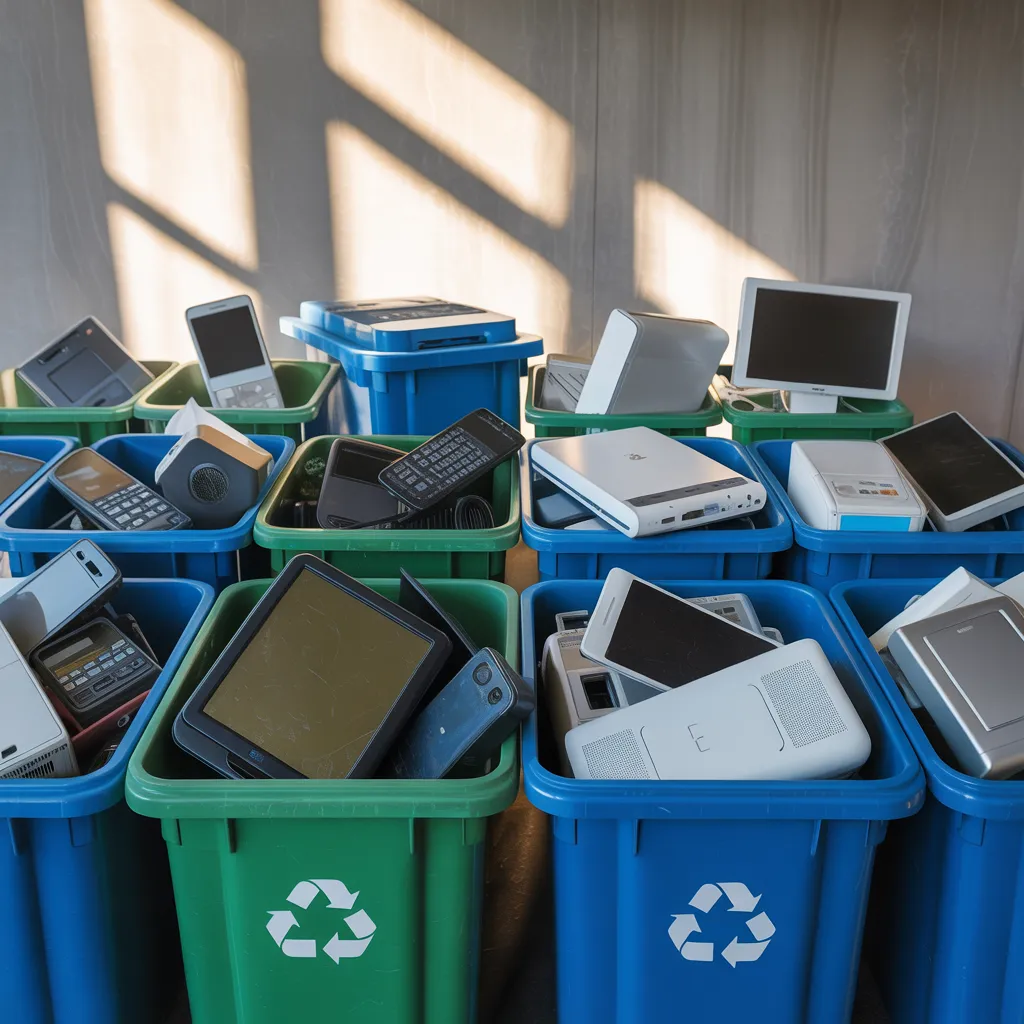
Why E-Waste Is Bad for the Planet
Even though technological advancements improve our daily lives, e-waste poses significant environmental threats. Discarded electronic devices, commonly laden with hazardous materials such as mercury, lead, and cadmium, may release harmful substances into soil and groundwater, posing risks to ecosystems and human health. The rapid pace of technological advancement leads to increased consumer turnover of electronics, intensifying the growing problem of discarded electronic materials.
Landfills, already strained by waste, are unable to keep up with the rising quantities of abandoned electronics. Burning, an alternative disposal approach, discharges toxic contaminants into the air, worsening overall air quality. Furthermore, inadequate recycling methods can result in the shipment of electronic waste to underdeveloped nations, where workers may break down equipment without proper protective measures, putting themselves at risk of exposure to hazardous materials. This pattern of negligence and mismanagement highlights the critical demand for eco-friendly recycling alternatives that can reduce the damaging impact of electronic waste on the environment.
Understanding E-Waste and Its Significance
E-waste, or electronic waste, comprises unwanted electronic equipment including computers, smartphones, and televisions that have exceeded their operational lifespan. This rapidly expanding waste category is noteworthy due to its rapid accumulation, fueled by innovation in technology and shifting consumer habits. As more devices become obsolete, the toll on the environment grows more severe, with toxic materials such as lead, mercury, and cadmium threatening both ecosystems and public health.
Addressing e-waste is crucial not only for reducing these dangers but also for acknowledging the precious materials found within it. Precious metals and rare earth elements can be recovered and reused, reducing the need for mining and conserving natural resources. With a thorough Learn more understanding of e-waste and its impact, people and organizations alike can make educated decisions about disposal and recycling, helping to build a more sustainable world. Responsible management of e-waste plays a key role in supporting a circular economy and championing environmental stewardship.
How E-Waste Recycling Works
Recycling e-waste involves an organized procedure intended to extract beneficial components while limiting ecological damage. To begin, electronic waste is gathered and delivered to specialized recycling facilities. After reaching the facility, the equipment is meticulously organized to isolate dangerous parts from recoverable materials.
After this step, workers take apart the electronics, separating glass, metals, and plastics. This phase is essential, as it makes possible the recovery of rare metals like silver, gold, and copper, which can be recycled in new electronics.
Following this, the divided materials are handled via sophisticated techniques, such as mechanical shredding and chemical processing, to refine them for further use.
Ultimately, the leftover dangerous materials are managed properly, following eco-friendly standards. This comprehensive process not only preserves valuable resources but also reduces the dangers linked to unsafe e-waste handling, securing a more eco-conscious future for the consumption of electronics.
Benefits of E-Waste Recycling for You and Your Community
While many individuals may not realize it, the benefits of e-waste recycling go far beyond individual benefit and actively shape entire communities. By carefully processing electronic waste, individuals help foster a cleaner environment, reducing harmful substances that can leach into soil and water. This forward-thinking practice actively safeguards local ecosystems and supports public health.
Furthermore, the recycling of e-waste encourages job creation within communities. Local recycling facilities often require personnel for numerous tasks, spanning collection through processing, consequently creating meaningful employment within the community. This not only enhances the community economy but also fosters community involvement in eco-friendly practices.
In addition, knowledge about e-waste recycling can lead to community outreach programs, enabling residents to make environmentally conscious decisions. By taking part in e-waste recycling programs, individuals foster a culture of sustainability, inspiring others to embrace similar practices. All things considered, the shared impact of these actions can result in a more strong and environmentally aware community.
A Guide to Selecting an E-Waste Recycling Service
Choosing the right electronic waste recycling provider is vital for ensuring that electronic waste is handled with responsibility and sustainability. First, individuals should confirm the company's credentials, such as R2 or e-Stewards, which indicate adherence to industry standards for safe recycling practices. It's also important to assess the provider's standing by reviewing feedback and seeking recommendations from trusted sources.
Moreover, openness in the recycling process is crucial. A trustworthy provider should supply straightforward details about how e-waste is processed and how the materials are utilized. Moreover, assessing the variety of services available can be advantageous; certain providers may offer collection services or present rewards for recycling.
Furthermore, learning about local guidelines related to e-waste disposal can additionally influence the decision-making process. When these considerations are given priority, residents can actively participate in effective e-waste management as well as promoting green and responsible behaviors.
Ways You Can Participate in E-Waste Recycling?
Engaging in e-waste recycling may begin at the local level, where local recycling facilities regularly supply essential services for responsible disposal. Additionally, participating in community awareness campaigns can amplify efforts to educate others about the importance of proper e-waste handling. These actions not only advance environmental sustainability but also foster a collective sense of responsibility toward the environment.
Local Recycling Centers
Numerous local recycling centers fulfill a critical purpose in electronic waste recycling, offering communities convenient opportunities to discard electronic waste in an eco-friendly way. These centers accept a selection of electronic equipment, including old computers, smartphones, and televisions, ensuring that harmful materials are handled safely. Most centers are equipped with trained staff who support individuals in understanding proper disposal practices, stressing the significance of recycling instead of landfilling. In addition, various hubs coordinate scheduled drop-off occasions or specific collection dates, allowing residents to take part with ease. Through the use of these community services, residents support a circular economy, decreasing environmental damage and advancing sustainable approaches. Working alongside these hubs enables communities to combat e-waste pollution successfully.
Public Awareness Initiatives
Local organizations, schools, and businesses can work together to organize events that support e-waste collection drives. Community members can serve a critical function in spreading awareness, distributing educational materials, and engaging with the community. As a result of these combined actions, residents become more informed and motivated to recycle their electronic waste, ultimately contributing to a more sustainable future.
Frequently Asked Questions
What Kinds of Electronics Can Be Recycled?
Many different electronics are able to be recycled, including laptops, televisions, smartphones, printers, computers, and gaming consoles. In addition, peripherals such as batteries, keyboards, and mice are also suitable for recycling, promoting eco-friendly conservation initiatives.
Are There Any Costs Associated With E-Waste Recycling?
That's correct, e-waste disposal may involve costs, based on the service provider. Certain providers impose charges for gathering or treatment, while some providers offer free services, typically funded by the resale of recovered materials.
How Do Businesses Gain From E-Waste Recycling?
Organizations can gain from e-waste recycling by minimizing disposal costs, improving their green reputation, adhering to regulatory requirements, recovering valuable materials, and possibly earning income through resale, thus supporting a greener and more sustainable operational framework.
What Happens to Data on Recycled Devices?
Data from repurposed devices is frequently permanently erased or eliminated during processing. This ensures sensitive information stays protected, stopping improper access while permitting resources to be repurposed securely and sustainably across new manufacturing processes.
Are Broken Electronics Eligible for Recycling?
Yes, broken electronics can be recycled. Numerous recycling centers process non-functioning devices, ensuring responsible disposal and retrieval of useful materials. It helps lower harm to the environment while encouraging responsible recycling practices to address electrical waste responsibly.
Comments on “Best Electronics Recycling Services for Government Agencies”